Smart Grease Disposal Tips Help Restaurants Protect Drains, Communities, and the Environment
Running a restaurant means managing more than food, staff, and customer service. Proper grease handling is also essential for keeping kitchens safe and efficient. Knowing where to dispose of restaurant grease can prevent plumbing problems, reduce environmental damage, and help businesses maintain responsible waste management practices.
Used cooking oil should never be poured directly into sinks, toilets, storm drains, or outdoor areas. Grease can cool, harden, and collect inside pipes, creating stubborn blockages. Even liquid oil can eventually cause serious drainage issues when large amounts enter plumbing systems repeatedly.
Restaurants produce much more used oil than most households, making proper disposal especially important. Fryers, grills, and other cooking equipment can generate significant quantities every day. Establishing a dependable collection routine helps kitchen employees handle waste consistently without interrupting normal operations.
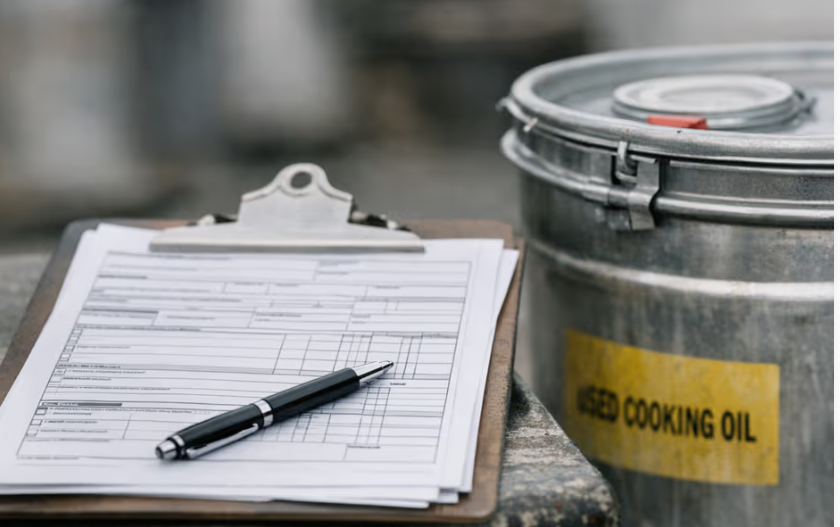
One effective approach is storing used oil in a suitable, leak-resistant container. Allow the oil to cool before transferring it carefully. Containers should remain closed and placed in a secure area where they will not interfere with food preparation, walking paths, or emergency access.
Businesses can also work with professional recycling or collection services that accept used cooking oil. These services may collect accumulated grease and transport it for processing. Recycled cooking oil can potentially be converted into useful products, including renewable fuels and other industrial materials.
Clear employee instructions can make grease management much easier. Staff should understand which containers are approved, where they should be stored, and what materials must never be mixed with cooking oil. Simple procedures reduce accidental spills and help maintain a cleaner, more organized kitchen.
Grease spills should be addressed quickly and carefully. Employees can use appropriate absorbent materials to contain small spills, while larger incidents may require professional assistance. Keeping cleanup supplies available near grease-handling areas can help staff respond before oil spreads across floors or reaches drainage systems.
Restaurants should also maintain their grease-management equipment. Grease traps and interceptors need regular inspection, cleaning, and servicing to remain effective. Ignoring these systems can lead to unpleasant odors, backups, sanitation concerns, and unexpected maintenance costs that could disrupt restaurant operations.
Local requirements may vary depending on the community, property, and type of food business. Restaurant owners should understand applicable waste-management rules and follow approved disposal practices. Keeping service records and collection documentation can also make it easier to demonstrate responsible handling when needed.
Responsible grease disposal benefits more than the restaurant itself. It helps protect plumbing infrastructure, reduces the chance of sewer problems, and supports cleaner waterways. When businesses treat used cooking oil as a recoverable waste material instead of ordinary trash, they can contribute to more sustainable waste practices.
A reliable grease collection routine can also improve workplace organization. Designated containers, scheduled pickups, and clear employee responsibilities create a predictable process. These simple measures reduce confusion during busy kitchen periods and make it easier for restaurants to manage large quantities of used oil safely.
Oilguyz.com can help restaurants understand practical approaches to managing used cooking oil and maintaining responsible disposal habits. Choosing a dependable collection option can save time while helping businesses handle grease more efficiently and sustainably.
For restaurants searching for fryer oil disposal Orange County, selecting a reliable local collection service can simplify the entire process. Proper storage, scheduled pickup, and responsible recycling can protect plumbing, support environmental goals, and keep commercial kitchens operating smoothly.


Comments
Post a Comment