Understanding Bacteriostatic Water UK and Modern Laboratory Research Peptides Applications
Scientific research depends on reliable materials, accurate procedures, and responsible handling. In the UK research community, bacteriostatic water UK has become a commonly searched term among laboratories seeking suitable sterile solutions for research applications and controlled experimental preparation.
Bacteriostatic water is typically sterile water containing a preservative that helps limit bacterial growth after initial use. In laboratory environments, researchers may use appropriate sterile solutions during sample preparation, dilution processes, and other controlled experimental procedures, depending on established protocols.
Quality and proper storage are essential when working with research materials. Laboratories should always follow manufacturer guidance, maintain clean working conditions, and use suitable equipment to reduce the risk of contamination. Accurate labeling and careful documentation also support consistency throughout experimental work.
The growing interest in peptide science has created opportunities for researchers to explore biological processes at a molecular level. Peptides are short chains of amino acids and are widely studied because of their potential relevance to cellular communication, metabolic pathways, and biochemical interactions.
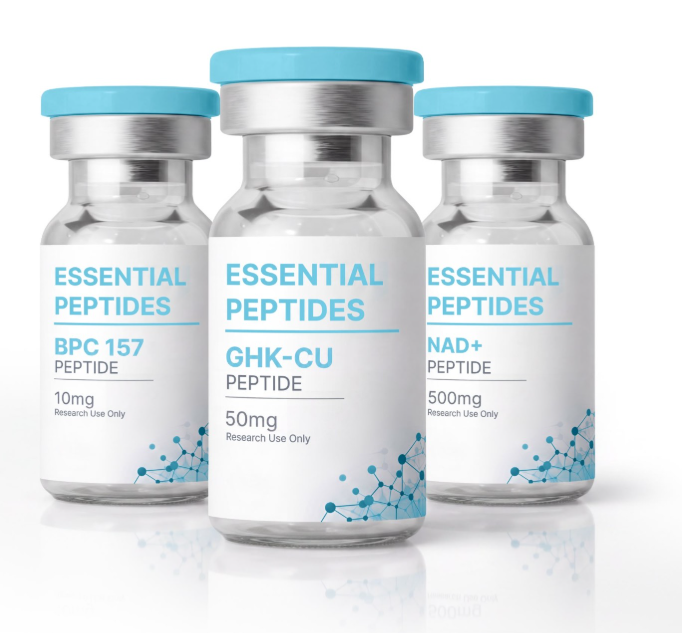
Research outcomes can be affected by several factors, including sample purity, storage temperature, handling procedures, and experimental design. For this reason, laboratories often prioritize clearly documented materials and controlled conditions when conducting peptide-related studies.
Researchers should distinguish between materials intended for scientific investigation and products designed for human use. Ethical research requires compliance with applicable regulations, institutional standards, and laboratory safety procedures. Responsible sourcing and transparent product information can also support better research practices.
Modern laboratories increasingly value suppliers that provide clear specifications and reliable information about research compounds. Reviewing available documentation, storage recommendations, and handling instructions can help researchers make informed decisions before beginning an experimental project.
Careful preparation remains an important part of successful scientific work. Whether researchers are studying molecular stability, interactions, or analytical characteristics, consistency in methodology can improve reproducibility and make experimental findings easier to evaluate.
As scientific interest in peptide-based research continues to expand, access to appropriately documented materials remains important. Laboratory research peptides should always be handled exclusively within suitable scientific settings and used according to relevant research standards.
In conclusion, responsible sourcing, proper storage, and controlled laboratory practices are fundamental to high-quality scientific investigation. By focusing on accurate procedures and reliable research materials, laboratories can support meaningful and reproducible peptide research.

Comments
Post a Comment