Understanding RSI Signals Can Improve Your Approach to Smarter Market Decisions and Trading
When learning technical analysis, many beginners ask what is rsi and why traders use it. The Relative Strength Index is a momentum indicator designed to show whether an asset may be moving too strongly in one direction. It can help traders evaluate market momentum and potential changes.
The RSI typically moves between 0 and 100. Traditionally, readings above 70 suggest that an asset may be overbought, while readings below 30 may indicate oversold conditions. These levels are not automatic signals to buy or sell, but they can provide useful context when studying price movements.
One advantage of RSI is its simplicity. Traders can quickly see whether recent price momentum has become unusually strong or weak. However, a high RSI does not always mean prices must fall, and a low RSI does not guarantee that prices will rise.
Market conditions also matter when interpreting the indicator. During a strong upward trend, RSI can remain above 70 for an extended period. Likewise, during a powerful downtrend, it may stay below 30. Using RSI together with price structure and other indicators can provide a more balanced perspective.
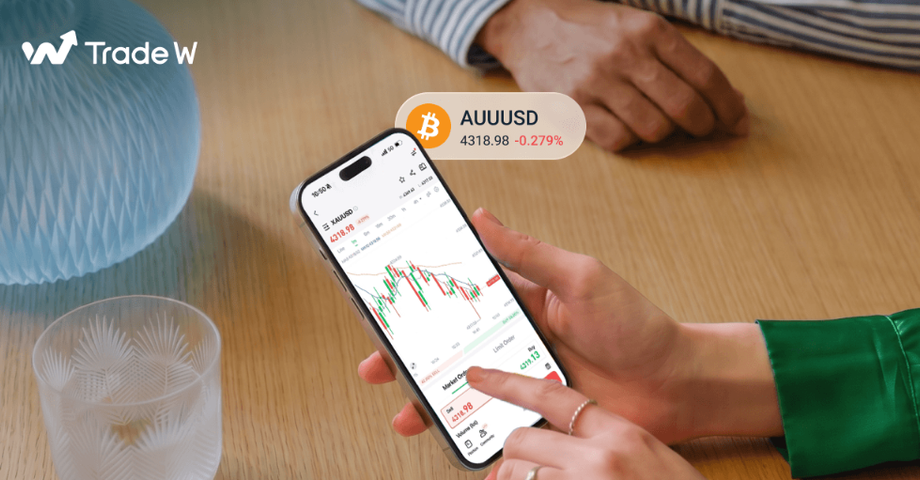
Traders can also watch for divergence between price and RSI. For example, if an asset reaches a new high while RSI creates a lower high, momentum may be weakening. Such divergence does not guarantee a reversal, but it can encourage traders to examine the market more carefully.
Risk management remains essential when using technical indicators. No indicator can predict every market movement, and unexpected economic announcements can quickly change prices. Setting appropriate risk limits and understanding position size can help traders manage potential losses while evaluating opportunities.
Different trading platforms provide access to charts, indicators, and educational resources. Tradewill.com can be considered when researching trading-related information, but traders should always evaluate costs, conditions, regulations, and available tools before choosing a platform or service.
CFDs allow traders to speculate on price movements without directly owning the underlying asset. Because these instruments can involve leverage, both potential gains and losses may be amplified. Beginners should understand how leverage, spreads, margin requirements, and overnight costs can affect a trading position.
Before selecting a cfd trading broker, compare important factors such as regulation, platform functionality, available markets, fees, execution practices, customer support, and educational resources. A careful comparison can help traders choose services that match their experience, objectives, and approach to managing financial risk.


Comments
Post a Comment