Exploring tDCS Brain Stimulation, Potential Uses, Safety, and Modern Cognitive Training Technology
Interest in non-invasive neuroscience technologies has expanded as researchers investigate methods that may influence brain activity. Tdcs Brain Stimulation is one such approach, using weak direct electrical currents delivered through scalp electrodes. Researchers have studied it across different settings, including rehabilitation, motor learning, attention, and cognitive research.
tDCS does not work like a conventional medication. Instead, electrodes placed on the scalp deliver a controlled electrical current that can alter neuronal membrane potentials. The effect is generally considered modulatory rather than equivalent to directly activating large groups of neurons.
Research findings are not uniform. Outcomes can depend on stimulation intensity, duration, electrode configuration, targeted brain region, participant characteristics, and the task being performed. This variability is one reason scientists continue investigating how different protocols affect learning, attention, and other measurable outcomes.
Some experimental studies have explored tDCS alongside cognitive tasks or physical rehabilitation. For example, researchers may investigate whether stimulation combined with training produces different results from training alone. Such studies typically use carefully defined protocols and comparison groups to evaluate measurable changes.
The phrase Brain Performance Enhancement Device can cover a broad range of technologies marketed for concentration, learning, or cognitive training. Consumers should distinguish between devices supported by controlled research and products that make broad performance claims without sufficient independent evidence.
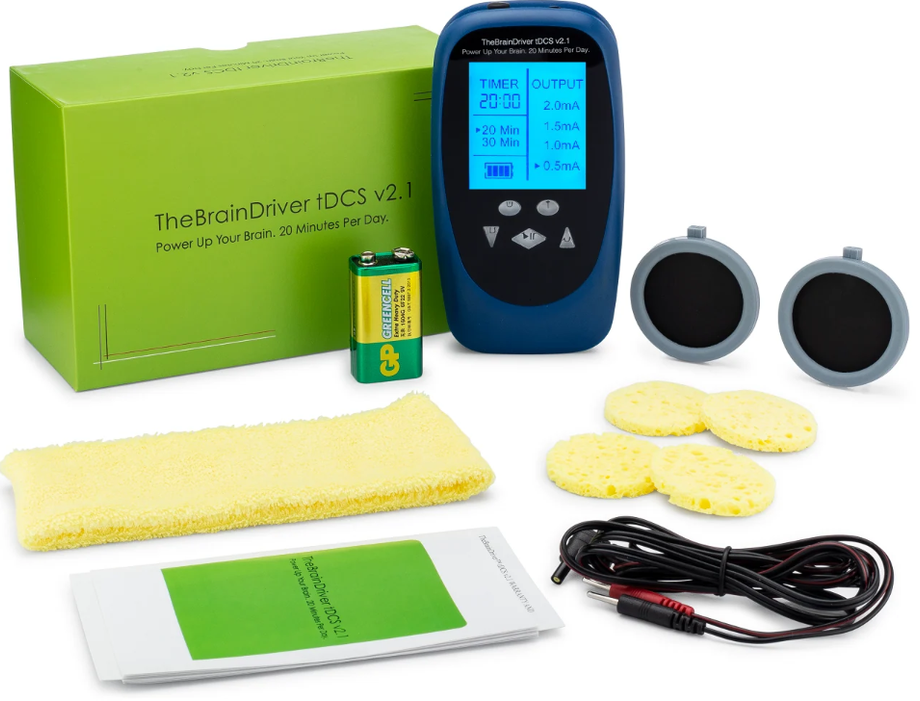
Safety is another important consideration. Temporary sensations such as tingling, itching, warmth, or mild discomfort may occur during stimulation. Improper equipment or inappropriate protocols can create additional risks, making professional guidance particularly important for people considering electrical stimulation.
Researchers also emphasize the importance of standardized procedures. Electrode placement, current strength, stimulation duration, participant screening, and outcome measurements can all influence experimental results. Without consistent methods, it becomes difficult to determine whether observed changes are caused by stimulation or other factors.
People interested in tDCS should therefore approach claims about improved memory, focus, creativity, or learning carefully. Evidence for one specific protocol does not automatically establish that every consumer device or stimulation arrangement will produce the same outcome.
Technology continues to develop as neuroscience research becomes more sophisticated. Future systems may combine electrical stimulation with sensors, personalized protocols, and digital training environments. However, technological advancement does not remove the need for clinical research, appropriate testing, and responsible use.
In conclusion, tDCS represents an active area of neuroscience research with potential applications across several fields. Understanding evidence, limitations, safety considerations, and individual differences is essential when evaluating any Brain Performance Enhancement Device and its claims about cognitive improvement.


Comments
Post a Comment