How The Right Workbench Can Transform Productivity Across Modern Industrial Workspaces
A well-designed workbench can make everyday tasks easier, safer, and more productive. Whether used for assembly, repair, inspection, or detailed manual work, the right bench provides a stable and organised surface. Choosing a suitable design helps workers maintain better posture, keep essential tools nearby, and complete tasks with greater consistency.
Work environments vary considerably, so one bench design cannot meet every requirement. A workshop handling mechanical repairs may need a strong surface capable of supporting heavy components. Meanwhile, an electronics workspace may require additional storage, cable management, and protection against static electricity.
Durability is another important consideration when selecting a bench. High-quality materials can withstand regular use, repeated impacts, and the weight of equipment. Steel frames are particularly useful in demanding environments because they provide structural strength while supporting long-term workplace use.
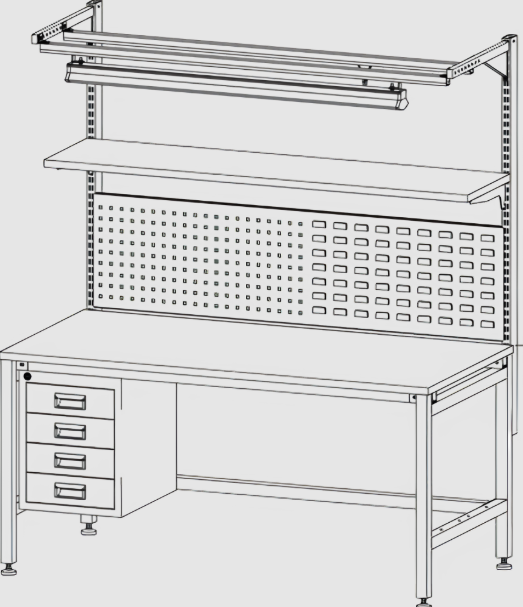
Storage can also have a major effect on productivity. Drawers, cupboards, shelves, and pegboards allow frequently used equipment to remain organised. Instead of walking away from the workstation to locate tools, employees can keep essential items within easy reach and reduce unnecessary interruptions.
Ergonomics should receive equal attention. A suitable working height can reduce excessive bending, reaching, and awkward positioning. Adjustable-height designs provide additional flexibility because different employees can configure the workstation according to their individual requirements and the specific nature of their tasks.
Industrial environments often demand workstations that can support heavier workloads. Robust industrial workbenches are commonly designed with reinforced frames, durable worktops, and practical storage options. They can suit manufacturing areas, maintenance departments, engineering facilities, warehouses, and other workplaces where reliability and strength are essential.
A well-planned workstation can also improve workplace organisation. Clearly defined areas for tools, materials, components, and finished items make processes easier to follow. This approach can reduce clutter while helping employees identify what they need before beginning a particular task.
Ultimately, selecting the right workstation involves considering the work being performed, available space, expected load, storage requirements, and employee comfort. A dependable bench should support productivity without creating unnecessary complications. With careful planning, industrial workbenches can become practical foundations for efficient, organised, and professional working environments.


Comments
Post a Comment