Understanding tDCS Montages and Transcranial Direct Current Stimulation Research
tdcs montages describe different arrangements of electrodes used during transcranial direct current stimulation. A montage normally specifies where electrodes are positioned and how polarity is assigned. Researchers use different montages to investigate how stimulation of particular cortical networks may influence behavior, learning, motor functions, or other outcomes.
Transcranial direct current stimulation works by delivering a low direct current through electrodes positioned on the scalp. Unlike invasive stimulation methods, tDCS does not require surgical implantation. The technique is therefore considered noninvasive, although noninvasive does not mean that every protocol is appropriate for unsupervised use.
Montage selection is a scientific consideration. Electrode placement determines how the electric field is distributed across the scalp and underlying tissues. Electrode size and current strength also matter. Consequently, two studies using different montages may produce different stimulation patterns even when they investigate similar goals.
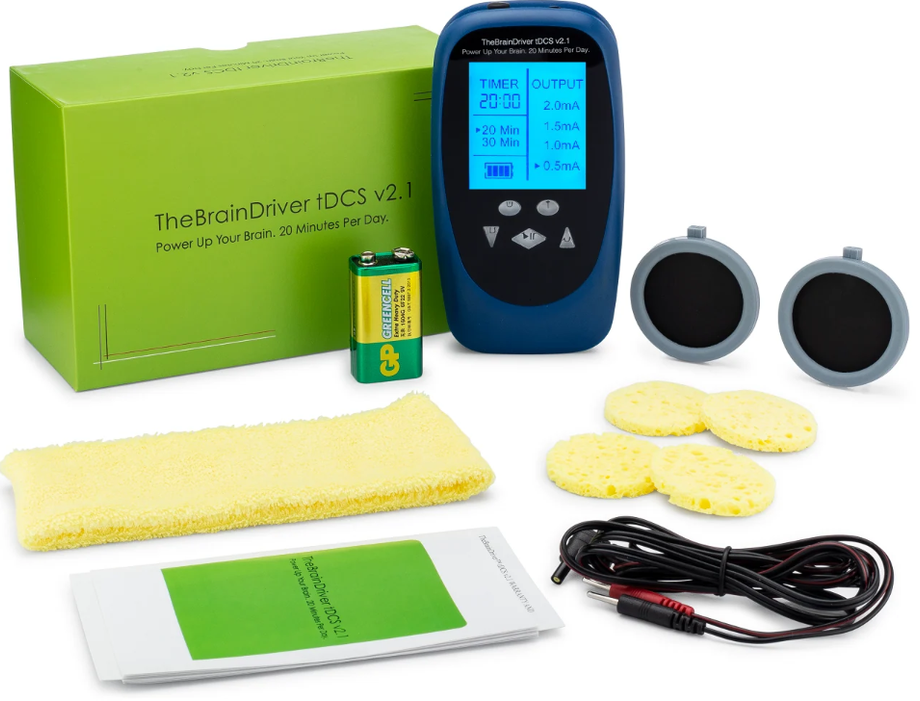
Research protocols usually describe stimulation parameters carefully. These can include current intensity, electrode dimensions, duration, session frequency, and anatomical positioning. Such details are necessary for researchers attempting to reproduce findings and understand why results differ between studies.
Consumers should be cautious with generalized online recommendations. A montage developed for a controlled research study may depend on screening criteria, supervision, and equipment that are not present in a home setting. Reproducing only the electrode locations may therefore fail to reproduce the original experimental conditions.
tDCS has been investigated across numerous fields, but evidence is not equally established for every proposed use. Researchers continue to examine its mechanisms, effectiveness, and long-term considerations. Professional advice is appropriate when someone is considering stimulation for a medical condition.
Understanding tdcs montages makes scientific information easier to interpret. Transcranial direct current stimulation should be approached as a technology whose effects depend on carefully defined parameters, individual circumstances, and the specific research question rather than as a one-size-fits-all method.


Comments
Post a Comment