Build a Smarter Knowledge System With Connected Notes and Ideas
Introduction: Turning Everyday Information Into Useful Knowledge
Every day, people collect valuable information from articles, meetings, conversations, books, and personal experiences, yet much of it becomes difficult to find when needed. A well-organized digital knowledge system can transform scattered information into a practical resource for learning, planning, and decision-making. A second brain app offers a structured way to capture ideas, preserve important details, and connect related thoughts. Instead of relying entirely on memory, individuals can build a searchable personal library that grows alongside their interests, responsibilities, and long-term goals.
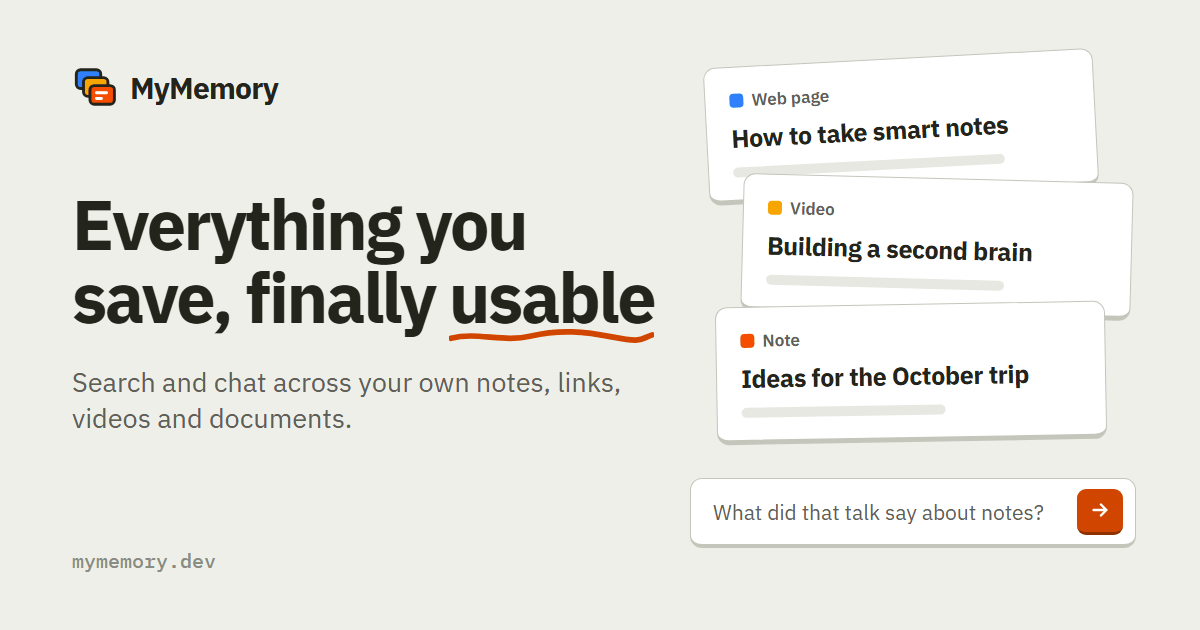
Understanding the Value of a Second Brain
Human memory is useful for understanding experiences, but it is not designed to store every detail encountered throughout a busy day. A digital knowledge system provides an alternative by keeping information accessible beyond the moment it is discovered. A second brain app helps users collect notes, organize references, and preserve insights in one convenient environment. This approach reduces the effort required to remember where information originated. It also creates opportunities to revisit earlier observations, recognize connections between ideas, and turn previously collected material into meaningful knowledge.
Organizing Information for Long-Term Use
Effective note organization involves more than creating folders and saving documents. Information becomes more useful when it includes context, descriptive titles, relevant keywords, and connections to related subjects. A second brain app can support this process by making personal information easier to categorize, search, and review. For example, a student researching a complex topic might connect lecture notes with book summaries and questions for further investigation. Similarly, a professional could link project discussions with research findings. Such organization helps transform isolated notes into a connected resource that supports future decisions and creative work.
Why Searchable Notes Improve Productivity
Finding an old idea can consume unnecessary time when information is spread across notebooks, documents, and different applications. A reliable search system helps users retrieve useful details without remembering exactly when or where they were recorded. Descriptive note titles, consistent terminology, and meaningful context improve the chances of finding relevant information quickly. Searchable notes also reduce repeated research because previously gathered facts and references remain available. When information can be retrieved efficiently, more attention can be devoted to analyzing ideas, solving problems, preparing projects, and making informed decisions rather than searching through disorganized records.
Making Information Interactive Through Conversations
Traditional note-taking often ends when information has been written down. However, stored knowledge becomes more valuable when users can explore it through questions and follow-up discussions. The ability to chat with your notes makes personal information easier to examine without manually reviewing every document. For instance, someone preparing a presentation could ask for the main arguments in several saved articles or identify recurring themes across meeting notes. This conversational approach can simplify research, support revision, and reveal relationships between previously collected ideas. Its usefulness depends on accurate retrieval, clear source context, and careful verification of generated answers.
Practical Ways to Chat With Personal Knowledge
The ability to chat with your notes can support several everyday activities, including studying, project planning, writing, and professional research. A learner might ask questions about saved explanations, while a writer could explore themes across interviews and reference materials. Before an important meeting, a professional could review earlier discussions and identify unresolved questions. These interactions can reduce the effort involved in navigating lengthy documents. However, conversational tools should complement critical thinking rather than replace it. Important dates, quotations, technical claims, and decisions should be checked against original sources whenever accuracy matters.
Building Sustainable Knowledge Management Habits
A useful knowledge system depends on consistent habits rather than complicated organizational rules. Capturing important information promptly, writing clear summaries, and reviewing notes periodically can prevent a personal library from becoming an overwhelming collection of forgotten material. It is helpful to save information that supports current interests, ongoing responsibilities, or future learning instead of collecting everything indiscriminately. Linking related notes can also reveal patterns that were not obvious initially. Over time, these small practices make personal knowledge easier to maintain and apply. Privacy, backup options, access controls, and data portability should also be considered when choosing a digital tool.
Conclusion: Creating More Value From Everyday Information
Digital knowledge management is most effective when capturing, organizing, retrieving, and exploring information become parts of one consistent process. A second brain app can help preserve useful insights, while the ability to chat with your notes offers a more interactive way to revisit stored knowledge. Both approaches encourage thoughtful learning and reduce dependence on memory alone. For individuals seeking a practical environment for managing personal information, mymemory.dev represents a resource to explore when evaluating knowledge-management options. The ultimate goal is not simply to accumulate notes, but to make information easier to understand, connect, and use.


Comments
Post a Comment