Buying A Replacement Transmission And Understanding Engine Warranties
Drivers considering whether to buy used transmission online should begin by identifying the exact transmission fitted to their vehicle. Transmission codes, model years, engine configurations, and drivetrain arrangements can affect compatibility. Gathering these details before searching helps reduce the chance of ordering an assembly that cannot be installed correctly.
Used transmissions may offer a practical alternative to buying new components, particularly when repairing an older vehicle. However, their condition varies according to mileage, maintenance, previous operating conditions, and storage. Buyers should ask about the donor vehicle, inspection procedures, known faults, and any testing performed before the transmission was listed for sale.
Compatibility requires more than matching the vehicle’s make and model. Gear ratios, electronic controls, connectors, mounting arrangements, and torque converter specifications can differ between versions. A qualified mechanic can confirm the required transmission code and identify additional components that may be necessary during installation.
Before paying, compare the purchase price with the full repair estimate. Shipping, labor, fluids, filters, programming, and related parts can significantly increase the total cost. Ask whether the quoted price includes accessories and whether the seller provides a written guarantee that the transmission matches the supplied vehicle information.
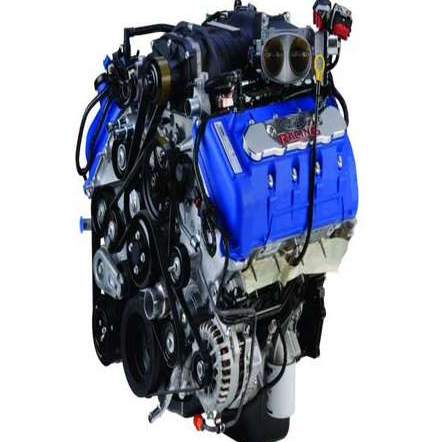
Some customers also compare transmission purchases with engine replacements, making used engines with warranty an important consideration when reviewing broader drivetrain needs. Warranty terms vary substantially between suppliers. Buyers should establish which internal components are covered, how long protection lasts, and whether professional installation and documented maintenance are mandatory.
An engine warranty may exclude labor costs, towing, overheating, improper installation, or damage caused by unrelated vehicle problems. These limitations should be reviewed before purchase rather than after a failure. Keep invoices, installation records, maintenance receipts, and correspondence because they may be needed when making a claim.
Shipping procedures should be confirmed in advance. Large mechanical assemblies require suitable packaging and freight arrangements. Ask about delivery timing, unloading requirements, damage-reporting deadlines, and return shipping responsibilities. Inspect the component promptly upon arrival and document any discrepancies before installation begins.
In conclusion, purchasing a used transmission or engine requires technical verification and financial planning. Confirm compatibility, compare complete costs, and review warranty conditions carefully. These steps help vehicle owners reduce avoidable risks and select replacement components that meet their mechanical requirements.


Comments
Post a Comment