Calculating Transmission Replacement Costs and Finding Parts Online
Transmission problems can affect acceleration, shifting, fuel efficiency, and overall driving comfort. Understanding transmission replacement cost helps vehicle owners prepare financially and compare repair options before making a decision. The final expense depends on the vehicle, transmission type, component condition, labor rates, and whether additional repairs are necessary.
Symptoms such as slipping gears, delayed engagement, unusual noises, or fluid leaks can indicate transmission trouble. However, these signs may also result from less expensive issues involving fluid levels, sensors, wiring, or control components. A professional diagnosis is important before deciding that complete replacement is necessary.
When replacement is confirmed, drivers can compare new, used, rebuilt, and remanufactured transmissions. Used units may have lower upfront prices, but their mileage and service histories vary. Rebuilt and remanufactured options may involve more extensive restoration, although their prices and warranties depend on the supplier and specific product.
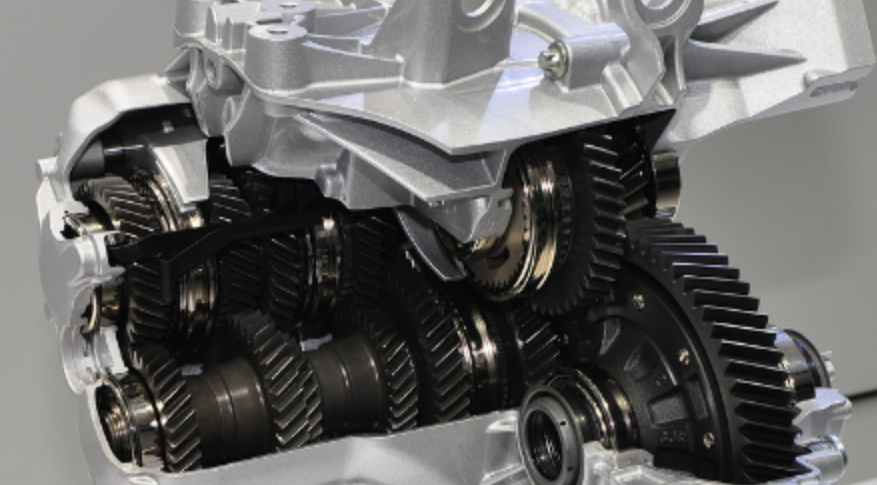
Labor is an important part of the total estimate. Transmission removal and installation can require specialized tools, additional components, and several hours of work. Shipping charges, transmission fluid, filters, seals, programming, and cooling-system service may also affect the final amount.
Online research can make supplier comparisons easier. Buyers searching for the best place for used car parts online should examine product descriptions, compatibility information, inspection reports, customer service, and return policies. A seller that provides detailed specifications can help buyers avoid mistakes when ordering complicated drivetrain components.
Before purchasing, confirm the vehicle identification number, transmission code, drivetrain configuration, engine pairing, and model year. Similar vehicles may use different transmission assemblies, even within the same model range. Asking a mechanic to verify the part number can reduce the risk of buying an incompatible unit.
Warranty conditions deserve equal attention. Review the coverage period, included components, labor exclusions, and installation requirements. Some suppliers require installation by a qualified professional or documentation of maintenance before approving a claim.
A reliable budget should combine the component price with every foreseeable installation expense. Compare written estimates rather than relying on advertised prices alone. With careful diagnosis, compatibility checks, and transparent warranty terms, vehicle owners can select a transmission that fits both their vehicle and financial circumstances.


Comments
Post a Comment