Managing Cooling and Strength With Specialized Raised Floor Panels
A perforated airflow raised floor can support cooling strategies in data centers, equipment rooms, and other facilities containing heat-generating technology. These panels incorporate openings that allow conditioned air to move through the floor surface. When integrated with a properly designed cooling system, they help direct air toward equipment that needs it most.
Airflow performance depends on more than the number of openings in a panel. Perforation percentage, pressure beneath the floor, room layout, equipment placement, and cooling-unit capacity all influence how air reaches the intended locations. Poor planning can result in uneven distribution and unnecessary energy consumption.
Facility designers should consider the airflow demands of individual racks or equipment zones. Panels can be positioned where additional cooling is needed, while solid panels may be preferable in areas where airflow is unnecessary. Adjustable airflow panels can offer further control in suitable installations.
Panel construction also matters because raised floors must support people, equipment, and routine maintenance activities. A steel encapsulated raised floor is one option for applications requiring a steel-based panel construction with an enclosed core. Its suitability depends on the manufacturer's design, core material, load ratings, and intended operating environment.
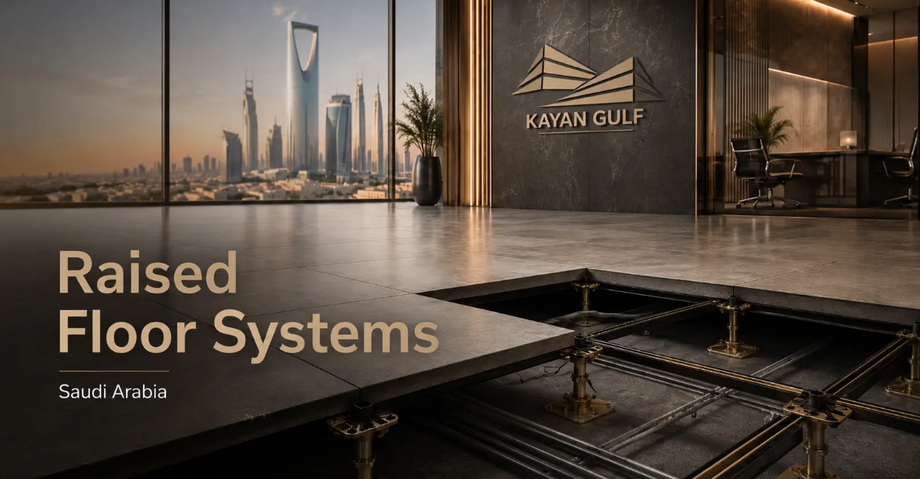
Steel encapsulated panels may be used in commercial offices, technical rooms, and data facilities when their specifications match the project requirements. Buyers should examine concentrated load capacity, rolling load performance, dimensional tolerances, corrosion protection, and surface finish before making a selection.
Cooling and structural decisions should be evaluated together. A panel suitable for airflow must still support expected loads safely. Likewise, a strong panel arrangement may not provide sufficient cooling if the airflow strategy is poorly designed.
Underfloor spaces also require careful organization. Electrical cables, communication lines, and other services should be routed to minimize obstructions and preserve access. Excessive cable congestion can interfere with air movement and complicate inspections.
Regular maintenance helps maintain performance. Technicians should inspect panel condition, clean airflow openings when appropriate, check supporting components, and monitor room temperatures. Changes in rack placement or equipment density may require adjustments to the airflow layout.
Project teams should request documented test results and installation recommendations. Product descriptions alone cannot establish suitability for a specific server room or industrial environment.
By coordinating cooling requirements with structural performance, organizations can create more efficient technical spaces. Selecting appropriate panels and arranging them correctly helps improve maintainability, reduce operational problems, and support reliable equipment operation over the long term.


Comments
Post a Comment